

Late ROC Filing

Late ROC Filing Impact on Company Reputation, Penalties, and Business Growth
Running a company is exciting, but it also brings responsibility. Many business owners focus on sales, customers, and growth. Because of this, they often forget about compliance work. One common mistake is delaying ROC filings. At first, it may seem like a small issue. However, the late ROC filing impact can become serious over time.
In India, many companies face problems because they do not submit their ROC forms on time. The late ROC filing impact can affect a company’s reputation, finances, and future growth. It can lead to penalties, legal trouble, and loss of trust. That is why it is important to understand the late ROC filing impact and avoid delays.
What ROC Filing Means for a Company
ROC filing means submitting company details to the government every year. These details include financial statements, annual returns, and director information.
The Registrar of Companies keeps records of every registered company. When filings are done on time, the company looks clean and trustworthy. When filings are late, warning signs start to appear. This is where late ROC filing impact begins.
Why Companies Delay ROC Filing
Many small companies delay ROC filing because they think it is not very important. Some business owners feel that nothing serious will happen if they miss the deadline.
Others get confused about the forms and due dates. Sometimes, when a company changes its accountant, compliance work is forgotten during the change. These reasons may seem small and normal, but they slowly lead to serious late ROC filing impact.
Late Filing Directly Affects Company Reputation
Company reputation is not just about brand name. It is also about records. Banks, investors, and partners check ROC data before trusting a company.
When filings are late, the company record shows non-compliance. This makes the company look careless. Even if the business is honest, late filings send a wrong signal. The late ROC filing impact on reputation can close doors without the owner even knowing why.
Penalties Grow Faster Than Expected
One of the biggest late ROC filing impact areas is penalties. ROC late fees increase every day. What starts as a small delay turns into a large amount.
Many business owners are shocked when they see the final penalty. Sometimes, the penalty becomes more than the original filing cost. This financial pressure affects cash flow and creates stress.
Directors Also Face Trouble
Late ROC filing impact is not limited to the company. Directors also face consequences. Director disqualification can happen if filings are not done for continuous years.
A disqualified director cannot start a new company or become a director elsewhere. This affects personal reputation and future plans. Many directors realize this only when it is too late.
Business Growth Slows Down Quietly
Growth needs trust. Trust needs clean records. When a company has late filings, growth becomes difficult.
Banks hesitate to give loans. Investors avoid putting money. Large clients may ask for compliance proof before signing contracts. The late ROC filing impact slowly blocks growth opportunities without making noise.
Problems During Funding and Due Diligence
When a company plans to raise funds, due diligence is done. During this process, every ROC filing is checked.
Late filings raise red flags. Investors start asking tough questions. Even if the business idea is strong, compliance gaps reduce confidence. The late ROC filing impact can turn a yes into a no during funding talks.
Stress and Fear Become Part of Daily Work
Late ROC filing impact is not only legal or financial. It also affects peace of mind. Business owners start worrying about notices, penalties, and inspections.
This fear affects focus. Instead of thinking about growth, owners think about damage control. Stress becomes part of daily work, and business energy goes down.
Compliance History Stays on Record
ROC records are permanent. Even if filings are done later, the history of delay remains visible.
This history can affect future decisions by authorities and institutions. A company with regular delays is seen as risky. This long-term late ROC filing impact is often ignored until it creates trouble.
Why Small Companies Are More Affected
Small companies usually have limited staff. One person handles many roles. Compliance becomes just another task.
Because of this, deadlines are missed. Large companies have systems and teams. Small companies depend on reminders and manual tracking. This is why late ROC filing impact is stronger on small and growing businesses.
Late Filing Is a Chain Reaction
One late filing often leads to another. When one year is missed, the next year becomes harder.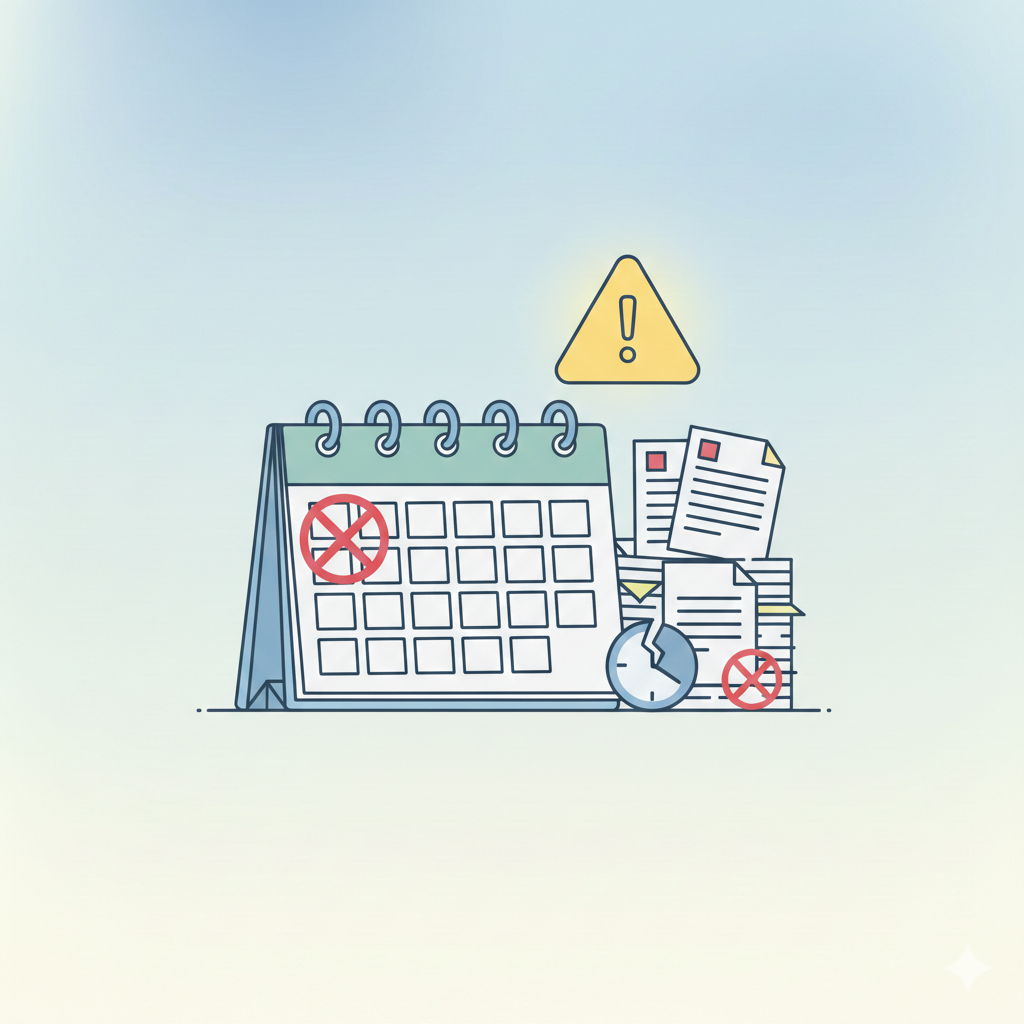
Pending filings pile up. Penalties increase. Stress increases. Fixing everything becomes expensive and time-consuming. This chain reaction explains why late ROC filing impact grows quickly.
Professional Support Changes the Story
Most late filings happen due to lack of guidance, not bad intention. With proper professional support, deadlines are tracked and forms are filed correctly.
Experts understand rules and changes. They help companies stay compliant without fear. This reduces late ROC filing impact and brings confidence back into business operations.
Compliance Builds Long-Term Stability
Timely ROC filing builds a strong foundation. It creates clean records, better trust, and smoother growth.
Compliance is not a burden. It is protection. Companies that respect compliance face fewer surprises and fewer setbacks.
Final Thoughts
Late ROC filing may look like a small delay, but its impact is large. The late ROC filing impact touches reputation, money, growth, and peace of mind.
Businesses that understand this early stay safe and strong. Filing on time, keeping records clean, and taking the right support helps companies grow without fear. A compliant company is a confident company, ready for the future.