

Paper Less tax system in India

Are Indian SMEs Ready for a Paperless Tax Future?
India is moving quickly toward a digital economy. From internet payments to digital banking, nearly everything is going paperless. Taxation is also a component of this transition. The government is promoting e-filing, online compliance, digital notices, and anonymous assessments. For major corporations, this move is already common. But a significant question remains. Are Indian SMEs actually prepared for the paperless tax future? This is an important topic since small and medium-sized enterprises (SMEs) are the foundation of the Indian economy. They generate jobs, boost local economies, and stimulate innovation. If SMEs struggle with digital tax systems, the impact is significant. Let us grasp this transition in a straightforward and practical manner.
What a Paperless Tax System Really Means
A paperless tax system eliminates physical files, manual submissions, and extended visits to tax offices. Everything happens online. Returns are filed digitally. Notices come via email or portal. Responses are submitted online. Records are saved in digital format. Even assessments and hearings are being conducted without in-person sessions.
For enterprises, this appears to be convenient. It saves time, eliminates paperwork, and promotes transparency. However, convenience is only effective when systems are understood and used effectively. This is where many SMEs encounter difficulties.
The Current Reality of Indian SMEs
Many Indian SMEs continue to be run by their owners. Sales, accounting, compliance, and operations are often managed by the same person. In these situations, tax compliance is viewed as a burden rather than a procedure. Many SMEs continue to rely on physical bills, handwritten records, and local accountants who work in traditional ways.Digital adoption is happening, but it is inconsistent. Some small and medium-sized enterprises employ accounting software and cloud applications. Others continue to use Excel and notes. Internet connectivity is available, but digital confidence is frequently lacking. This gap has a significant impact on how prepared SMEs are for paperless taxes.
Why the Government Is Pushing Digital Taxation
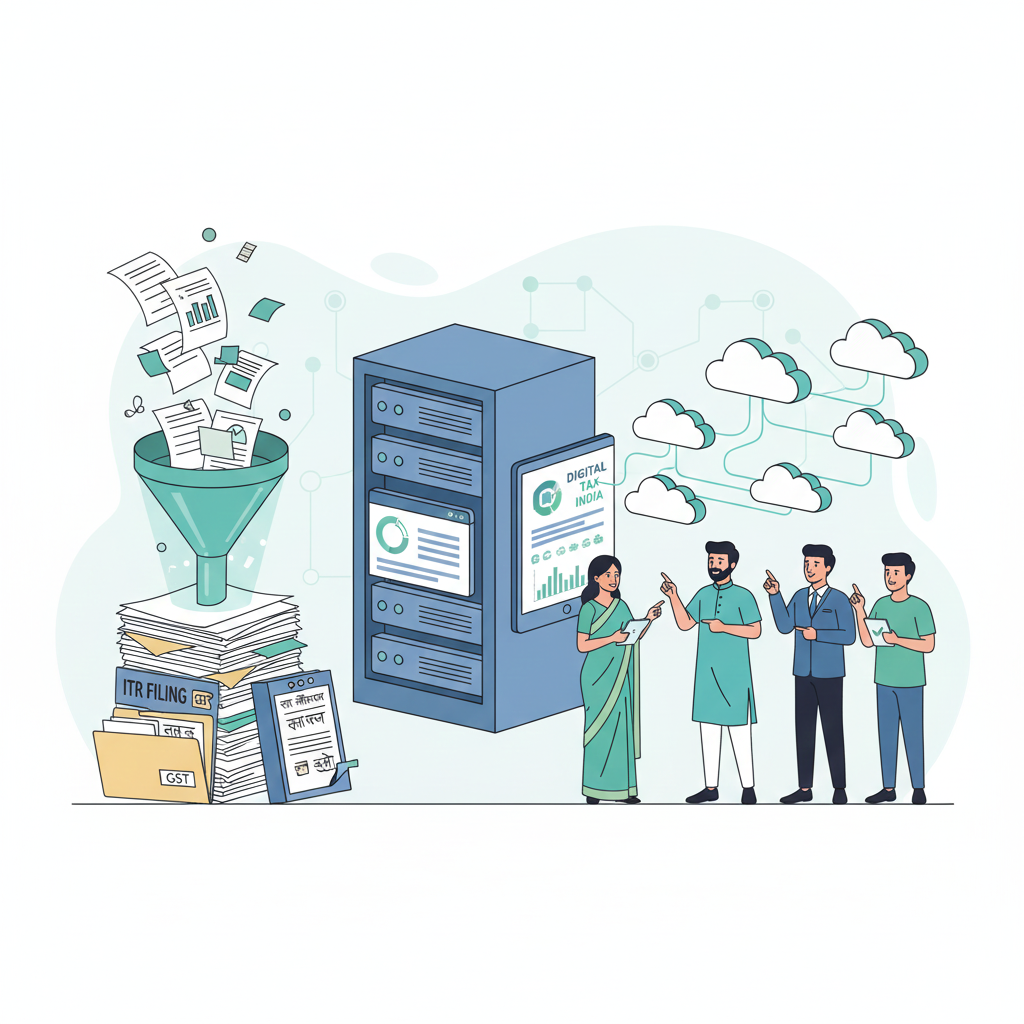
Paperless taxation makes good policy sense. It eliminates corruption, increases data accuracy, and speeds up procedures. Digital records allow the government to better track transactions. This also helps to broaden the tax base and decrease tax leakage.
Digital tax systems can help honest businesses gain trust. Disputes are reduced when records are kept clean and filed on time. Refunds become speedier. Compliance becomes predictable. In theory, everybody benefits. However, theory and reality frequently disagree.
The Biggest Challenges SMEs Face
One important problem is understanding. Tax portals are not always straightforward. Terms, notices, and directions are written in a sophisticated language. For a small business owner, this can be perplexing and stressful.
Another problem is being comfortable with technology. Not every SME owner feels comfortable using portals, sending files, or reacting online. A minor mistake can result in penalties or notices. Because of this anxiety, many firms avoid dealing with digital tax issues directly.Cost is also a concern. Good software, trained staff, and professional support all cost money. For small businesses with tight margins, this feels like an extra load, even if it helps in the long run.
The Risk of Being Unprepared
Being preparing for a paperless tax future can be hazardous. Penalties may be imposed for missing emails, ignoring reminders, or responding late. Incorrect filings can result in audits. Poor recordkeeping can cause complications during assessments.Digital systems leave a track. When data is uploaded, it stays. Errors are easy to detect. This means SMEs must be more cautious than previously. Informal procedures that were formerly effective may now be problematic.
The Opportunity Hidden in Digital Taxation
Despite the hurdles, a paperless tax system creates significant opportunity for SMEs. Digital records provide greater control over finances. Business owners may view their income, costs, and tax liabilities plainly. This facilitates planning and decision-making.Clean tax documents are also useful when looking for loans or investors. Banks trust businesses that file properly and provide transparent data. Digital compliance can boost corporate reputation in the marketplace.
Over time, automation lessens reliance on manual labor. Once systems are established, filing becomes faster and easier. This frees up time for business development.
How SMEs Can Prepare Practically
Preparation doesn't mean doing everything at once. It begins with modest steps. Moving basic bookkeeping to digital tools is a solid start. Organizing bills and invoices digitally is quite beneficial.Training is equally important. Business owners and key employees should be aware of fundamental portal usage and compliance timelines. This alleviates panic when notices appear.Most significantly, professional support is essential. Working with an expert tax and compliance counsel can make a significant difference. They serve as advisors, not simply return filers. They help firms comprehend what is going on and why.
The Role of Trusted Compliance Partners
Corporate Seva Kendra, for example, can help in this regard. SMEs don't have to become tax experts. They require dependable partners that understand both commercial reality and digital systems.A good compliance partner helps SMEs stay up to date, avoid mistakes, and reduce stress. They convert complicated rules into simple actions. They ensure that digital solutions benefit rather than harm the business.With the correct support, paperless taxation becomes less intimidating and more manageable.
So, Are Indian SMEs Ready?
The honest truth is that many SMEs are still not fully prepared, but they are getting there. Readiness does not imply excellence. It all comes down to your willingness to adapt. SMEs that embrace digital change and take proactive initiatives will survive and thrive.
Those who ignore this transition may face increased compliance pressures. The tax system will not revert to paper. Digital is the future, whether companies like it or not.
Final Thoughts
A paperless tax future is more than simply a government initiative. It's a business reality. Indian small and medium-sized businesses are at a crossroads. With the correct mindset, skills, and support, this transition may be a strength rather than a problem.
The key is to act early, learn progressively, and seek assistance when necessary. Fear is not the motivator for digital tax compliance. It's about clarity, control, and confidence. When SMEs grasp this, they will not simply be prepared. They'll be ahead.